Comparing Cleated, Modular, and PU Belt Conveyors for Factories
Not all conveyor belts are built the same. Compare cleated, modular, and PU belt conveyors to find the perfect fit for your production line.
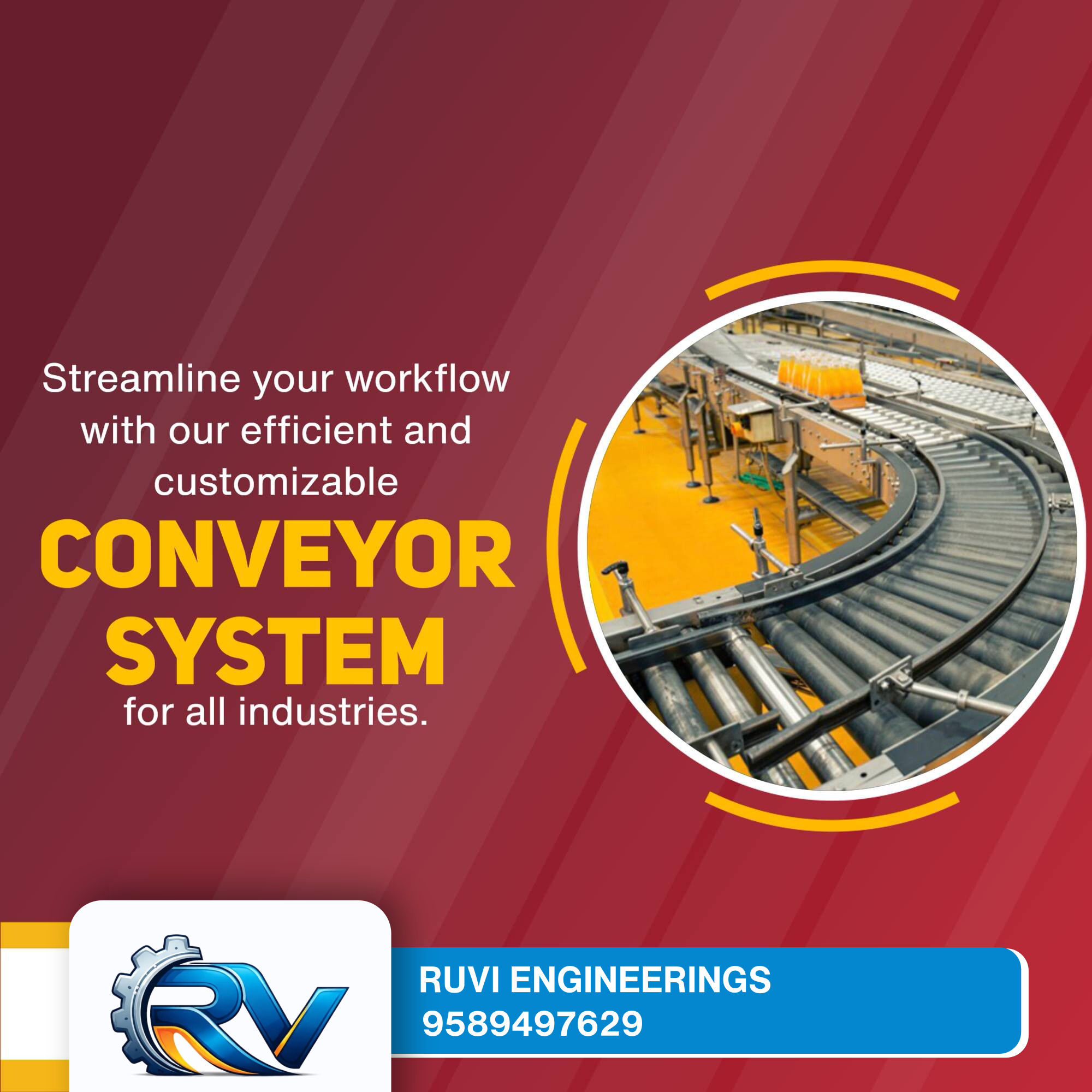
In the industrial manufacturing and packaging sectors, choosing the right conveyor belt can make or break your production efficiency. While all conveyor belts serve the basic purpose of moving items from point A to point B, their structural differences make them suited for very different tasks.
If you are planning to set up or upgrade your assembly line in Madhya Pradesh, here is a detailed comparison of three widely used belt types: Cleated, Modular, and Plain PU belt conveyors.
Plain PU Belt Conveyors: Best for Hygiene and Light Goods
Polyurethane (PU) belts are known for their smooth, non-porous surfaces. They are highly resistant to oils, fats, and chemicals, making them the gold standard in specific industries.
- Best Used For: Food processing, pharmaceuticals, and light packaging lines.
- Key Advantage: Extremely easy to clean and sanitize. They offer excellent resistance to wear and tear while maintaining high hygiene standards.
- Limitations: Not ideal for heavy, sharp, or hot industrial components.
Cleated Belt Conveyors: Ideal for Inclines and Declines
When your factory layout requires products to change elevations, a standard flat belt won't suffice because items will slip or roll backward. This is where a cleated belt conveyor or a cleated rubber belt conveyor comes in.
- Best Used For: Moving loose parts, packaged goods, or bulk materials up steep inclines.
- Key Advantage: The raised ribs (cleats) act as barriers, securing items in place during vertical or angled transport.
- Limitations: Harder to clean than plain belts due to the crevices around the cleats.
Modular Belt Conveyors: Built for Durability and Complex Paths
Unlike continuous fabric or rubber belts, modular belts are made of interlocking plastic segments.
- Best Used For: Heavy manufacturing, automotive assembly, and washdown environments.
- Key Advantage: If one part of the belt is damaged, you only need to replace that specific module rather than the entire belt. They can also handle sharp corners easily, which is why curve belt conveyors often use modular designs. They are highly durable and can carry heavy loads.
- Limitations: Higher initial investment compared to plain PU belts.
Making the Right Choice for Your Factory
Selecting the perfect conveyor requires looking at your product weight, incline angles, hygiene requirements, and budget.
For industries operating in Nimrani and throughout Madhya Pradesh, custom-built solutions are often the best approach. RUVI ENGINEERINGS manufactures premium material handling equipment—including cleated rubber belt conveyors, slat chain conveyors, spiral conveyors, and modular belt systems. Our expert team combines industry experience with advanced technology to deliver efficient, reliable, and safe conveying solutions tailored specifically to your plant's workflow. Let us help you elevate your industrial capabilities.
Need Custom Engineering?
Consult with RUVI ENGINEERINGS for your next factory upgrade.